








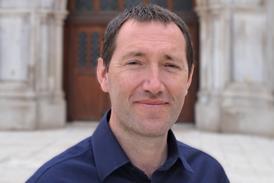


















Sponsored content: Jamie Melling, chief executive at Smartnumbers, says the factors driving an increase in application fraud demand closer attention
The insurance industry has long dealt with policyholders bending the truth to reduce their premiums – drivers understating their mileage, homeowners failing to declare a previous claim and so on.

But the latest ABI figures, which recorded 684,800 prevented cases of application fraud between 2023 and 2024 and amount to a 7.4% year-on-year increase, tell a more complex story than opportunistic misrepresentation alone.
It’s important we understand what’s going on and what can be done, especially where the contact centre is concerned.
Beyond opportunistic fraud
Our conversations with insurers point to a growing organised criminal presence in the sector. Ghost broking is on the rise, with increasing numbers of fake or misrepresented policies being set up across insurers.
Allianz alone reported a 33% rise between 2022 and 2025, with fraudsters often targeting young drivers on social media with cheap motor insurance deals. Another growing issue is the use of stolen or AI-generated identities to take out cover.
Anna Phelps from Marshmallow explained the significance of synthetic identities at our recent consortium conference. Insurance, particularly in lower-KYC product lines like travel, offers fraudsters a relatively accessible way to build legitimacy for a fictitious persona.
A synthetic customer who takes out a cheap policy and pays on time begins to accumulate a credible financial history that can later be used to pass checks at banks and other organisations.
The insurer may never suffer a direct financial loss, but the legitimacy gained through the policy can enable fraud elsewhere.
The contact centre connection
At Smartnumbers, we see signs of this activity in our clients’ contact centre data, as fraudsters move fluidly between digital and telephony channels. Fraudsters blocked at the digital front end will probe the contact centre to find a way to get through. Crucially, signs of fraudulent activity can be found in the contact centre even when the fraud itself originates or completes elsewhere.
The key to spotting those signs is the ability to identify and track the phone number being used – even when the fraudster withholds or spoofs it. The phone number becomes the thread for the insurer to follow. As Andy Pickard from Hastings Direct put it, the same number could be calling 15 times a day, but with nothing to link those calls together, the pattern remains invisible.
Once a number is identified, it can be cross-referenced against internal denylists, potentially surfacing links to fraud across multiple applications, identities and policy lines. But the real power comes when that intelligence extends beyond a single organisation and fraud patterns emerge across multiple organisations and sectors.
Collective response
Application fraud at today’s level of sophistication is not something any single insurer can, or should, tackle alone.
One single incident could be the sign of a global cross sector organised crime operation. Fraud has become a collective problem and everyone will gain from a collective response. It starts with data sharing – and yet this is not a principle the industry has fully acted on.
- To find out more about Smartnumbers, click here

























No comments yet