






















’Part of our work to become a smarter regulator means developing our future as an agentic regulator, using the same technologies reshaping our markets to make ourselves sharper, faster and more effective,’ says chief data, information and intelligence officer
The FCA has revealed that it plans to become an “agentic regulator”, using artificial intelligence (AI) to make itself ”sharper, faster and more effective”.
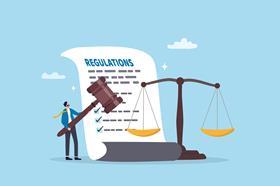
Yesterday (19 October 2026), the regulator highlighted that it was becoming “smarter”, with it using AI for multiple purposes such as intervening more quickly when problems are identified and analysing activities of regulated companies.
As an example, it highlighted that it is building AI tools for the oversight of 60,000 anti-money laundering (AML) firms coming into the FCA’s remit in 2028.
The regulator is also deploying automation and building AI agentic tools which will supervise around 9,000 small wholesale markets transaction reporting firms, so supervisors can prioritise more complex supervisory activities.
Speaking at the Bloomberg UK Policy Series, Jessica Rusu, FCA chief data, information and intelligence officer, said: “The FCA itself is changing.
”Part of our work to become a smarter regulator means developing our future as an agentic regulator, using the same technologies reshaping our markets to make ourselves sharper, faster and more effective.
”Across the FCA we are deploying AI to scale our operations and focus on the greatest harms, upskilling staff and investing in technology. AI can gather evidence, surface intelligence from disparate sources and flag early warning signs so we can act at pace.”
Importance of governance
Rusu also highlighted good and poor practice with AI.
Read: Admiral, Aviva and NFU Mutual give Consumer Duty evidence to House of Lords committee
Read: FCA says there is ‘already consumer appetite for AI’ and explains insurance impact
Explore more regulation-related content here, or discover other news stories here
She said there had been positive outcomes, with firms using AI for inclusive product design, clear consumer choice and a path to speak to a person.
However, she also noted that there were firms developing AI tools without a clearly defined need, excluding vulnerable consumers by default, overstating capabilities, or deploying automated customer journeys without sufficient testing.
“AI should improve consumer outcomes, not simply automate existing processes,” Rusu said.
She also highlighted that firms need clear accountability, risk-based controls, human oversight, escalation triggers and senior managers personally accountable for AI systems.
Rusu continued: ”We have seen good examples. One firm established an independent ethics panel to interrogate proposed AI use cases before deployment – including ownership, bias and controls.
”But we have also seen firms retrofit governance after technology has already been deployed or fail to adapt monitoring as systems change.
“That is the wrong way around.”

His career began in 2019, when he joined a local north London newspaper after graduating from the University of Sheffield with a first-class honours degree in journalism.
He took up the position of deputy news editor at Insurance Times in March 2023, before being promoted to his current role in May 2024.View full Profile



























No comments yet