






















’Any material changes to your business model that affect conflicts of interest should be notified to us promptly,’ says director of insurance
The FCA has written directly to some insurance firms where it thinks their ”business models may be creating heightened risks of conflicts of interest”.

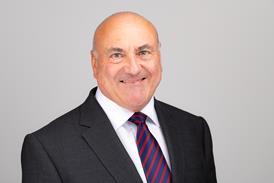
In a statement on the regulator’s website, its new director of insurance, Chris Knight, said that “one item that has crossed my desk is vertically integrated business models” and the conflicts they can create.
A vertically integrated business model is when a single group of companies span multiple parts of the insurance chain, such as underwriting the policy, distributing it to customers, arranging premium finance and providing other related services.
The FCA noted that such arrangements can make good and efficient business sense, but can also create conflicts of interest, ”particularly if they influence consumer journeys or potentially alter commercial incentives”.
Knight said: ”We’ve written directly to some firms where we think their business models may be creating heightened risks of conflicts of interest.
“But we’re also making our expectations clear to the whole market – because this isn’t an issue isolated to a handful of instances.
”We are monitoring developments in this area, so you may receive ad hoc data requests. You should be able to show us how your arrangements deliver good outcomes for customers. Where business models are overly complex or difficult to supervise, we expect you to think seriously about simplifying them.
”Any material changes to your business model that affect conflicts of interest should be notified to us promptly.”
‘Take risks seriously’
Knight also stressed that “having a conflict of interest doesn’t automatically make a business model unacceptable, but you need to take these risks seriously”.
Read: FCA moves to further simplify insurance rules
Read: FCA removes non-UK business from Consumer Duty scope
Explore more regulation-related content here, or discover other news stories here
He said: ”You must actively identify, manage and evidence those conflicts. That means effective governance, clear senior management accountability and controls that actually work in practice, not just on paper.
“Crucially, disclosure alone is not enough. Simply telling customers about a conflict doesn’t remove your obligation to manage it properly.”

His career began in 2019, when he joined a local north London newspaper after graduating from the University of Sheffield with a first-class honours degree in journalism.
He took up the position of deputy news editor at Insurance Times in March 2023, before being promoted to his current role in May 2024.View full Profile



























No comments yet