









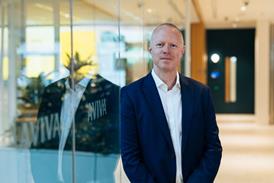













Sponsored content: Steve Collinson, chief HR and sustainability officer at Zurich UK, discusses the importance and benefits of promoting social mobility in the insurance sector and beyond
Earlier this month (11 June) was Social Mobility Day – a day focused on championing equitable employment opportunities for all. While this day is an important moment for reflection, it’s also a catalyst to encourage action.
Access to opportunity shapes careers, confidence and ultimately success, but Zurich’s latest research is a reminder that, for many people, the playing field is still far from level.
One in five people say they have experienced discrimination in the hiring process because of their socio-economic background. This figure alone should be reason enough for employers to consider their hiring practices. It suggests talent is being overlooked – not because of capability, but because of perception.
What is most concerning is that these barriers to people from different backgrounds can be subtle and built in, often unintentionally. Hiring decisions have often been influenced by subjective measures, such as “culture fit” or “communication style”.
Our research shows that nearly a quarter of those who faced class-based discrimination were told they weren’t the right fit, while others were judged for factors that can mask unconscious bias.
These are not just isolated incidents – they point to embedded practices that risk excluding individuals before they had a fair chance to demonstrate their potential or even get through the door.
Workplace impacts
Beyond recruitment, these challenges can continue inside the workplace. More than half of UK adults believe organisations operate with unspoken social rules and one in five say they don’t feel they truly belong at work or can be their complete self.
Belonging shouldn’t be reserved for those who intuitively understand these unwritten cues – it should be a key part of the employee experience.
For many, these barriers begin long before they even step into an interview. From not having access to professional networks or mentors, to facing financial constraints that limit their ability to attend interviews or take on unpaid internships, these obstacles exist and can compound.
To consider social mobility seriously, the journey into employment needs to be recognised as being just as important as progression once inside it.
At Zurich, we believe that talent and ambition exist in every community – and it’s our responsibility as employers to ensure that opportunity does too. This begins with rethinking how we define potential and move away from traditional markers of success towards a more skills-based, inclusive approach to hiring.
For example, this includes designing a recruitment process that is fair, accessible and transparent and equipping hiring managers to recognise and challenge bias.
Creating an inclusive culture where people feel they belong is something I’m really passionate about. This includes representation, mentorship and creating workplaces where individuals can be themselves completely. We know that when people feel supported and valued, they are more likely to succeed – which in turn benefits employers.
Unlocking social mobility is essential to building resilient, future-ready organisations. Employers have a clear responsibility to challenge outdated assumptions, broaden access to opportunity and ensure people are judged by their skills and ambitions, not their start in life.